

Scheduled Delivery Routes for Businesses That Perform
Scheduled delivery routes for businesses create planned capacity, dependable handoffs, and delivery visibility for recurring commercial work each workday.
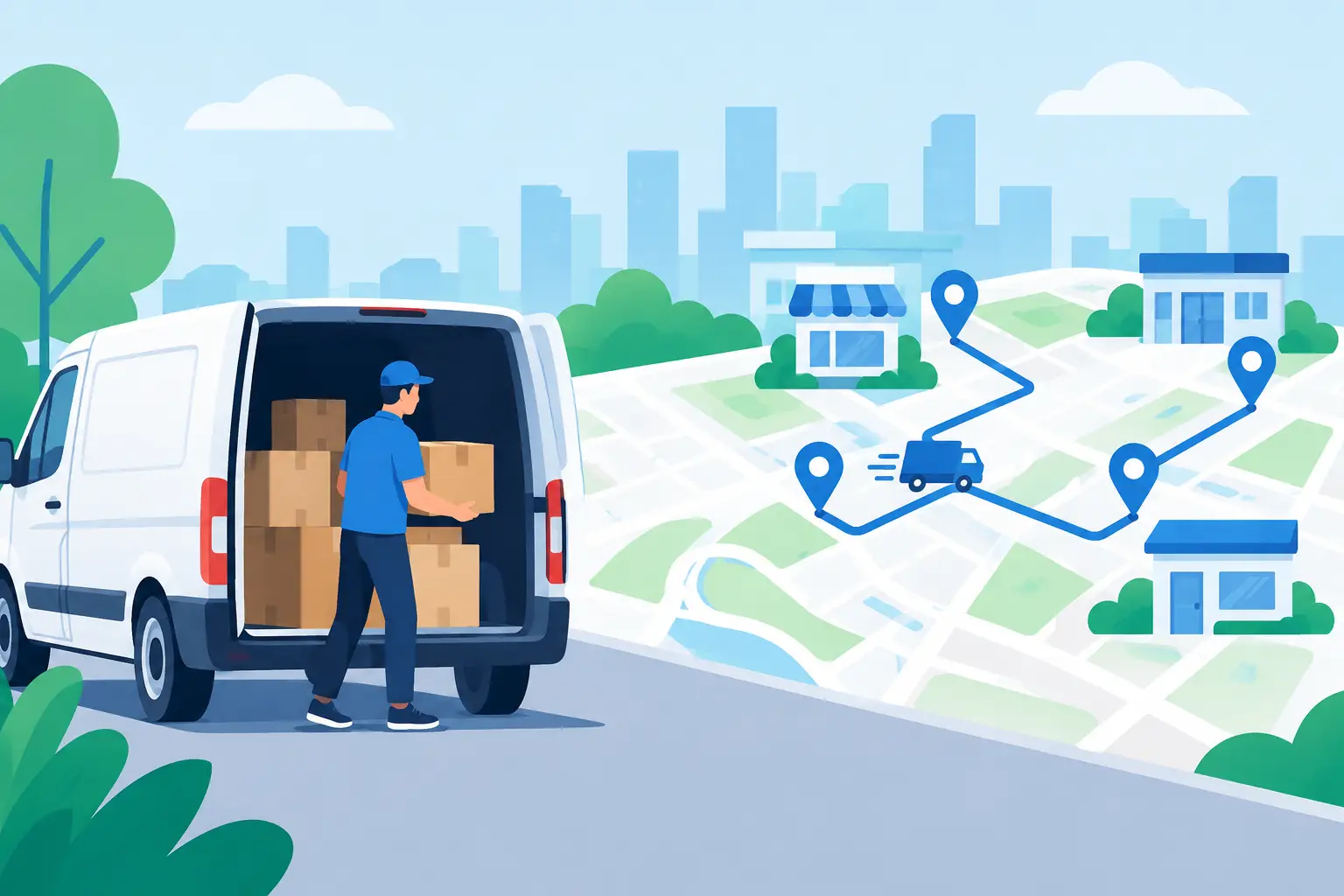




A weekly store replenishment run, a daily lab pickup, or a fixed route between warehouses should not require a new transportation decision every morning. Scheduled delivery routes for businesses turn recurring movement into a controlled operation: capacity is assigned, stops are sequenced, delivery windows are defined, and teams know what to expect before the first shipment leaves.
For commercial shippers, that predictability is more than a convenience. It protects customer service, reduces dispatch workload, and makes recurring distribution easier to measure and improve. The right route program can support a handful of weekly stops or a high-volume, multi-market transportation schedule.
What Scheduled Delivery Routes Solve
Recurring deliveries often start informally. A warehouse team calls for a driver when orders are ready. A store manager follows up when a shipment is late. Dispatch rebuilds roughly the same route day after day, while costs and exceptions are handled manually.
That approach may work at low volume, but it creates avoidable variability as locations, order frequency, and service expectations grow. Scheduled routes replace reactive booking with an operating plan. The plan defines where freight moves, when pickups occur, what vehicle and handling requirements apply, and who receives delivery confirmation.
This model works especially well when shipments move on a regular pattern: distribution center-to-store replenishment, office supply runs, pharmacy or medical deliveries, airport parts transfers, field-service equipment movement, returns consolidation, and local e-commerce delivery waves. It can also support internal logistics between facilities that are close enough to seem simple but important enough that delays disrupt production or customer commitments.
Build Routes Around the Work, Not the Map Alone
The shortest route is not always the best route. A route that saves a few miles but arrives before a receiving dock opens, exceeds a temperature-control limit, or puts a high-priority customer at the end of the run is not operationally efficient.
Effective scheduled routes start with the actual requirements of the work. That includes shipment volume, stop frequency, delivery windows, dwell time at each location, loading constraints, access restrictions, and service-level requirements. A route for retail replenishment may prioritize delivery before opening hours. A route carrying diagnostic samples may require strict custody controls and rapid handoffs. White-glove equipment deliveries need more time at the destination than a document run.
Route design should also account for variability. Traffic, dock congestion, order spikes, and last-minute additions are normal operating conditions, not rare events. Build a plan with enough capacity and timing flexibility to absorb them. Overpacking every route creates late deliveries and driver strain. Overbuilding capacity raises cost. The right balance depends on the value of the goods, the cost of a missed window, and how much volume changes from day to day.
Define Fixed and Flexible Stops
Most recurring programs benefit from separating fixed commitments from flexible capacity. Fixed stops are locations that must be served on a set cadence, such as daily warehouse transfers or Monday, Wednesday, and Friday store deliveries. Flexible stops can be added within defined service areas or cutoff times when volume requires it.
This structure protects core service while preserving room for commercial demand. It also gives dispatch teams a clear decision framework when exceptions occur. Rather than redesigning the entire route, they can assign an added stop to available capacity, move it to the next scheduled run, or send it through an on-demand delivery option.
Use Technology to Keep the Schedule Executable
A route plan is only useful if it remains accurate after orders, traffic, staffing, and customer needs change. Transportation technology helps convert a recurring schedule from a static spreadsheet into an active operating system.
A recurring-delivery scheduler can automate route creation by day, time, location, and service requirement. Route optimization can sequence stops based on current conditions and operational rules. AI dispatch can help assign work based on capacity, proximity, vehicle type, and delivery priority, while fleet-management tools provide visibility into route progress and utilization.
For businesses with order management, warehouse, or e-commerce systems, API integration can reduce duplicate entry and manual status checks. Delivery requests flow into the transportation workflow, while tracking events and proof of delivery return to the systems teams already use. That matters when a scheduled route supports hundreds of orders or multiple facilities. Manual coordination does not scale cleanly.
Technology should not remove operational judgment. Dispatchers still need authority to prioritize an urgent shipment, reroute around a receiving issue, or hold a delivery when inventory is not ready. The objective is to automate repeatable work so people can focus on exceptions that require a real decision.
Match Vehicles and Handling to the Route
Scheduled service is not limited to standard parcels. Many commercial routes involve temperature-sensitive products, bulky equipment, high-value assets, regulated materials, or freight that requires a liftgate, inside delivery, or specialized securement.
Vehicle selection should reflect both the freight and the route. A cargo van may be the efficient choice for documents, packaged goods, and small equipment. Box trucks can support heavier store replenishment, furniture, fixtures, or multi-stop freight. Temperature-controlled vehicles may be required for pharmaceuticals, food products, or other shipments with defined handling ranges.
Consider the full stop profile as well. An efficient truck on the highway may be a poor fit for dense urban locations with limited loading access. A vehicle that is too small can create extra runs. One that is too large can increase cost and make last-mile access harder. Route design, vehicle planning, and handling requirements need to be evaluated together.
Measure the Performance That Affects the Business
A scheduled route program should make performance visible. Basic on-time delivery is essential, but it is not the only useful metric. Operations teams should also monitor pickup compliance, delivery-window adherence, stop completion rate, route utilization, cost per stop, cost per unit, exception frequency, and proof-of-delivery accuracy.
The most useful metrics depend on the operation. A retailer may focus on store-ready delivery times and stockout prevention. A service organization may care more about first-attempt delivery and technician uptime. A distribution center may measure dock turnaround and outbound capacity. Tie route metrics to the business outcome the route exists to protect.
Review performance on a regular cadence. If a route consistently runs under capacity, it may be possible to consolidate stops or reduce vehicle size. If it frequently exceeds capacity, the answer may be a second departure, a different service area, or a dedicated vehicle. Data provides the evidence, but changes should be tested carefully so cost improvements do not weaken service reliability.
Plan for Exceptions Before They Become Disruptions
No recurring route runs perfectly every day. Customers change receiving hours, freight arrives late, weather slows travel, and a priority shipment appears after the normal cutoff. The difference between a controlled operation and a disruptive one is how quickly the team can respond.
Set clear exception rules before launch. Identify which deliveries can move to the next run, which require immediate recovery, who can authorize added cost, and how customers receive updates. Establish backup capacity for critical lanes and high-value shipments. For operations with both planned and urgent demand, scheduled routes should connect to same-day or on-demand service rather than compete with it.
EtaFlex can combine recurring route scheduling with managed last-mile capacity, route optimization, specialized handling, and delivery visibility. That approach lets businesses maintain a dependable baseline schedule while retaining an option for urgent exceptions, seasonal spikes, and changing route requirements.
When a Scheduled Route Is the Right Choice
Scheduled delivery is strongest when demand is predictable enough to plan but important enough to manage closely. If the same locations need service every week, if missed windows affect revenue or operations, or if dispatch teams repeatedly arrange similar deliveries, a scheduled program is worth evaluating.
It may not be the right answer for every shipment. One-off moves, highly irregular demand, or distant deliveries without route density may be better handled through on-demand or freight services. Many businesses need both models: a planned transportation backbone for repeat work and flexible capacity for the work that cannot wait.
Start with one lane, one region, or one recurring delivery problem that creates frequent friction. Map the stops, handling requirements, timing, and current exceptions. A route built around real operating conditions can make daily transportation simpler, faster, and more reliable without forcing your team to rebuild the plan every morning.
Related Posts
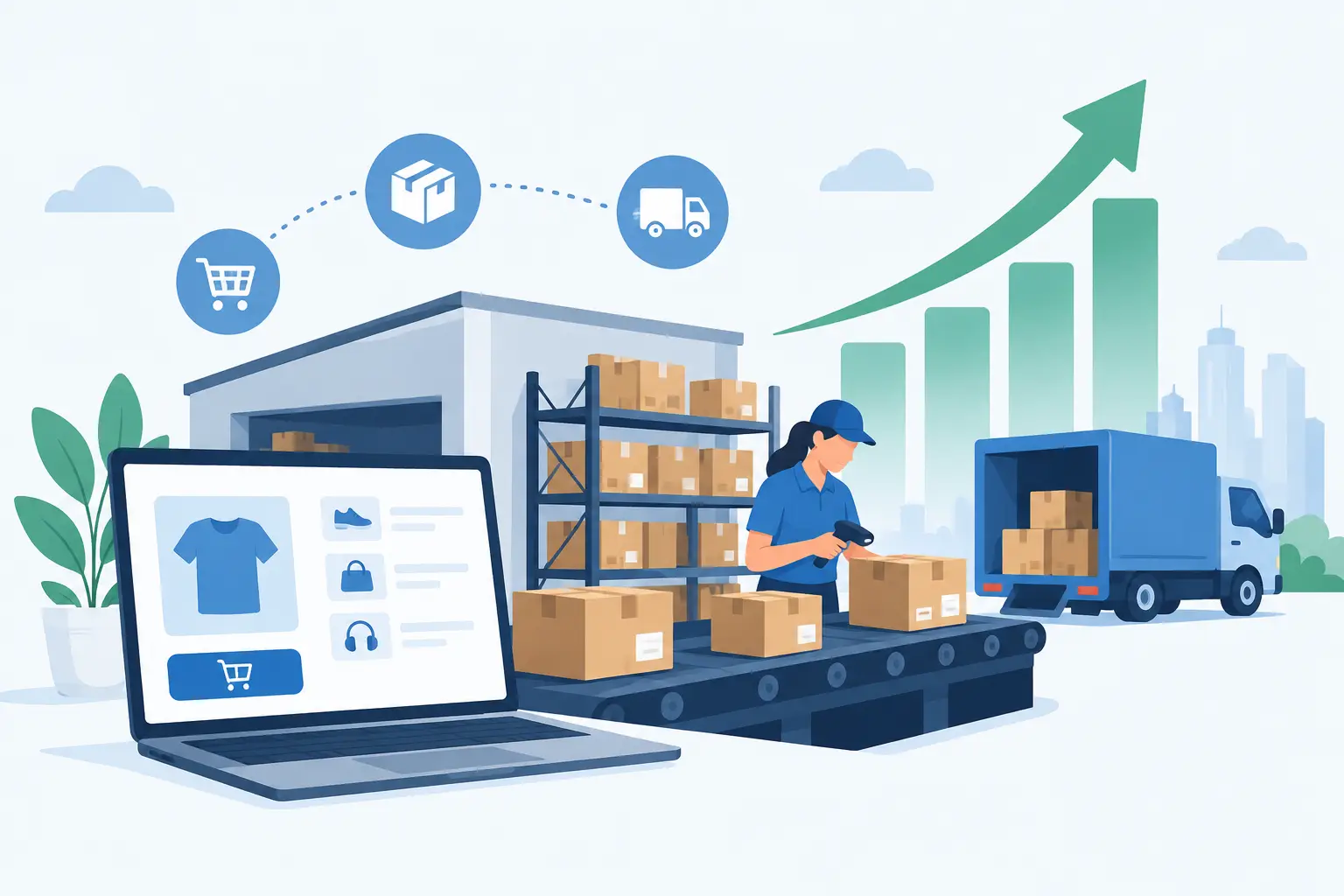
Ecommerce fulfillment services help US businesses store, pick, pack, ship, and manage returns with speed, visibility, flexible capacity, and control daily.
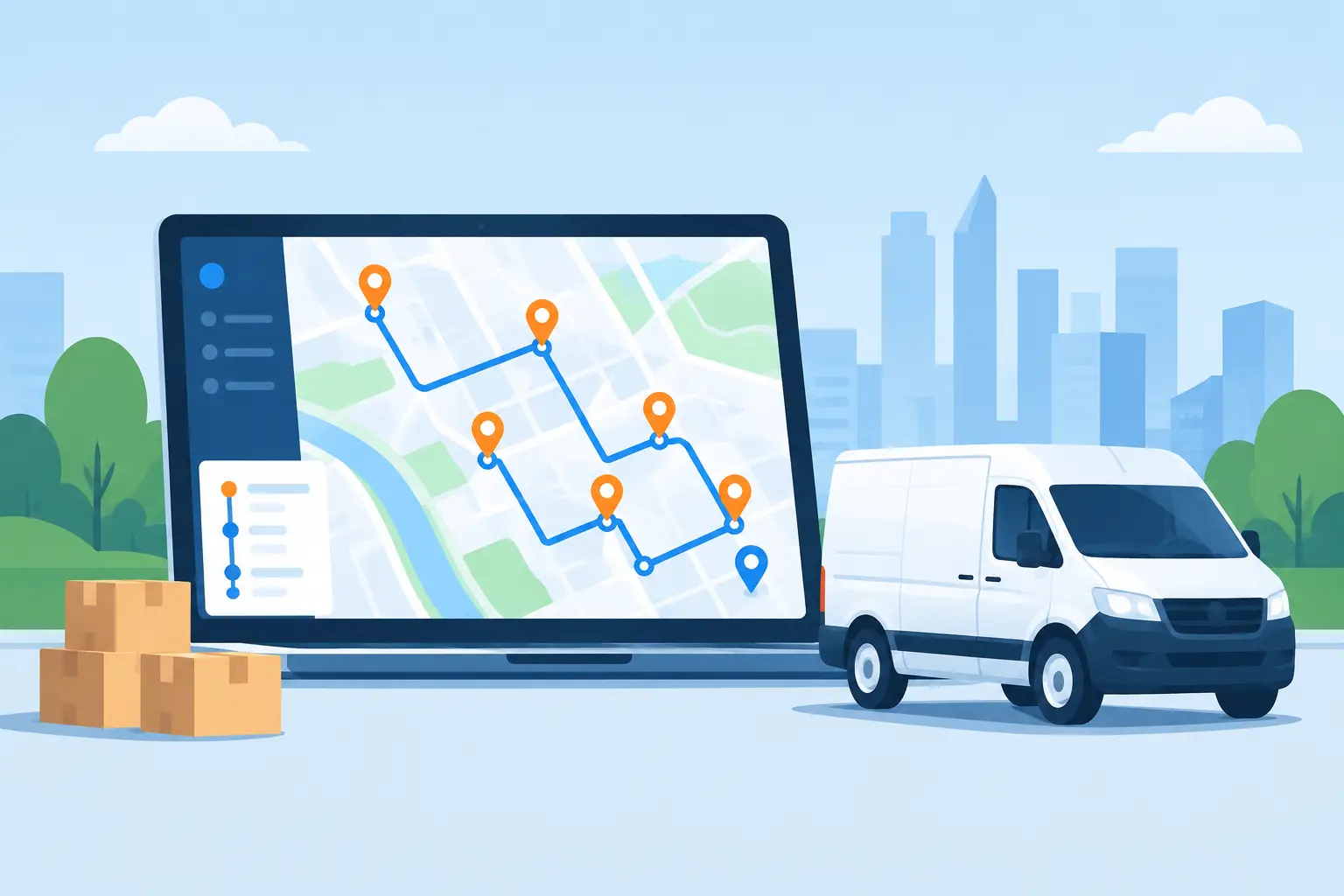
Multi stop route optimization software helps delivery teams cut miles, protect service windows, manage exceptions, and run reliable daily operations at scale nationwide.
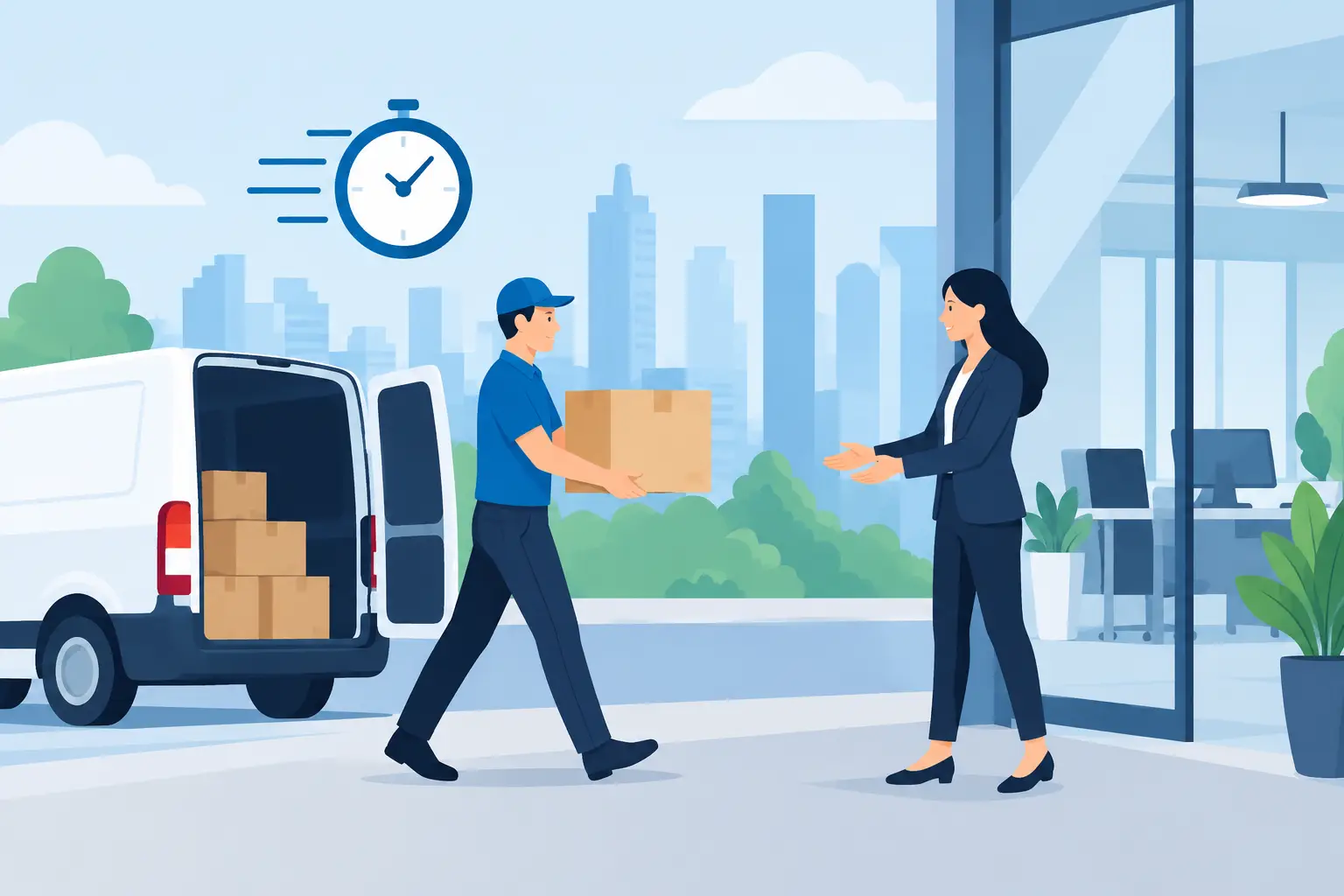
Same day delivery for businesses helps teams protect critical schedules, reduce downtime, and manage urgent shipments with clear operational control each day.
Never Miss an Update
Subscribe to Our Newsletter
Stay informed with fresh logistics content delivered straight to your inbox.